Where to Put a Cat Tree So the Cat Actually Uses It
An unused cat tree is almost always a placement problem. Three things decide it, and none of them is how much the tree cost.
By Marin Okafor, editor, dog gear and nutrition labels
Published May 12, 2026 · 8 min read
- Beds & Furniture
In this guide
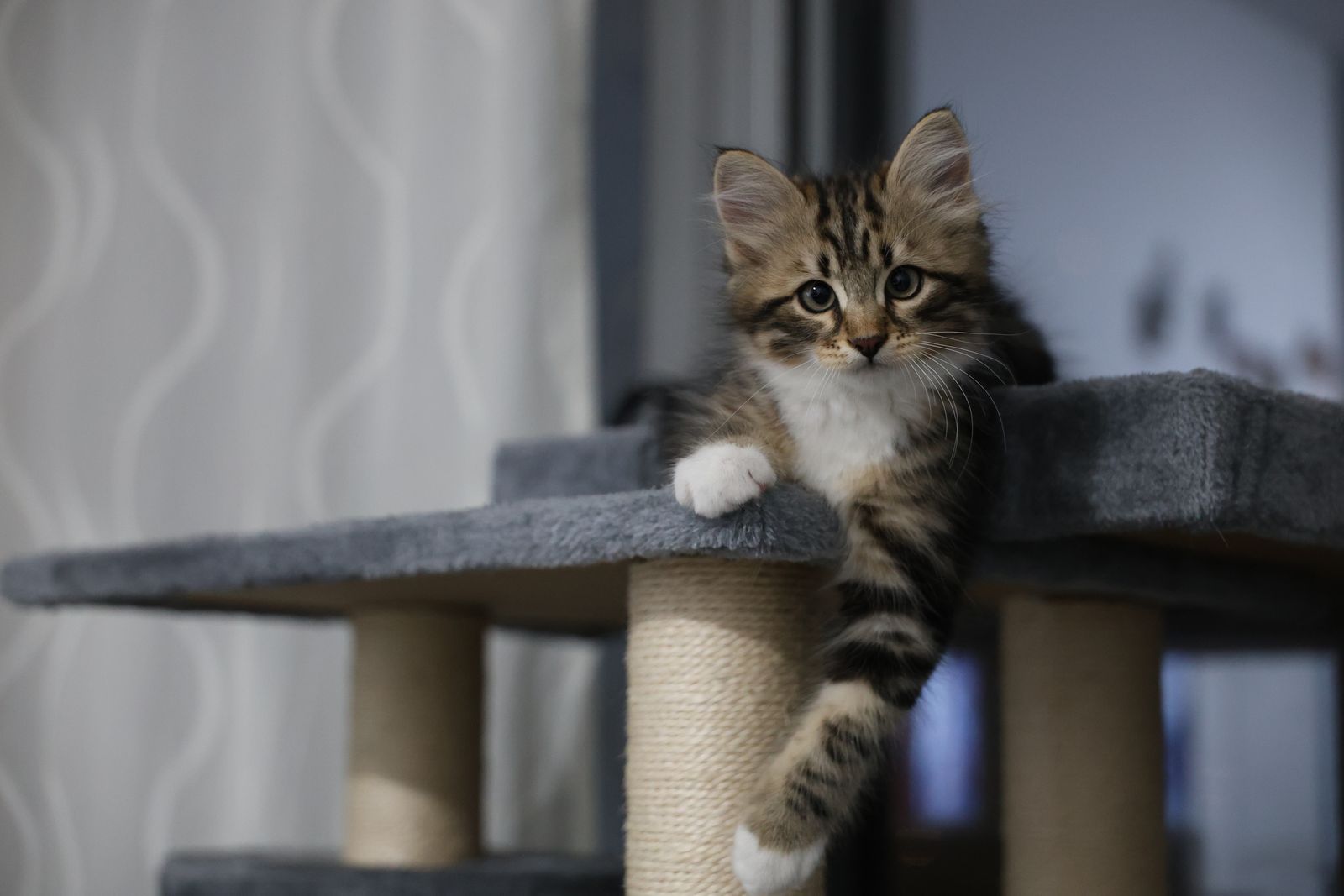
The commonest cat tree complaint is that the cat ignores it. The commonest cause is not the tree. It is a tree standing in the corner of a spare room, against an interior wall, facing nothing, because that is where a large object fits without spoiling the living room.
Cats choose elevated positions for reasons, and the reasons are legible. Get the placement right and a cheap tree gets used. Get it wrong and an expensive one becomes a coat stand.
Why vertical space matters at all
Feline environmental guidance treats vertical space as a core resource rather than an enrichment extra, alongside food, water, litter and resting places. Three things drive it.
Height is safety. Cats are both predator and prey. A raised position with a view of the room lets an animal monitor its environment while resting, which is a fundamentally different quality of rest from lying exposed on the floor. Nervous cats, cats in busy households and cats living with dogs use height more, not less.
Height is territory. In a multi-cat household, floor area is the contested resource and vertical space multiplies it. Two cats that cannot share a room comfortably at floor level often coexist without incident when one can be three feet up. Adding vertical space is one of the more reliable interventions in low-level inter-cat tension, and it is cheaper than most of the alternatives.
Height is observation. Cats spend a large part of the day watching. A perch positioned where there is something to watch gets used for hours. A perch facing a blank wall gets used never.
The three placement rules
By a window, with something moving outside. This is the single largest factor and it is not close. A perch at window height overlooking a garden, a bird feeder, a street or a busy path will be occupied for most of the daylight hours. The same tree against an interior wall will not. If you are going to break one of the other rules, break one of the others.
In a room the household actually uses. Cats are more social than their reputation suggests and most want to be near their people, at a distance of their own choosing. A tree in the living room lets a cat be present without being handled, which is exactly the arrangement many cats want. A tree in the spare bedroom is a tree in storage.
Somewhere warm and sunlit, if you have it. Cats seek heat and a sunny perch outperforms a shaded one reliably. A south-facing window in a room the family uses is the ideal placement in most houses, and it is worth rearranging furniture for.
Two secondary considerations. Put it near an existing route the cat already takes rather than in dead space, because cats build habitual paths through a home and a tree on the path gets investigated. And do not put it directly beside the litter box or the food bowls, both of which cats prefer to keep separate from resting places.
Multi-cat households and the escape route
In a house with more than one cat, one more rule applies: every elevated position should have two ways off it.
A tree in a corner with a single approach can be guarded. One cat sits at the base, and the cat on the platform is trapped up there. That interaction is usually silent, and owners frequently report their cats getting on well while it is happening, because the confrontation they would need to see never occurs.
Two trees in different rooms beat one big tree in every case, for the same reason that litter boxes belong in different rooms rather than lined up in one. Redundancy in different locations is the point. Where floor space rules out a second tree, wall shelves, a cleared bookcase top or a window hammock all count as vertical space, and a route between two of them that does not pass the floor is worth more than either alone.
Introducing one
A new object arriving in a cat's territory is a security question before it is a piece of furniture, so the introduction is short and mostly consists of not interfering.
Build it and leave it alone. Do not lift the cat onto it, which teaches the cat that approaching the tree results in being handled. Rub a used blanket or your hands over the platforms so it smells like the household rather than like a warehouse. Put a treat on the lowest level and a second one higher up on the following day. Play near it with a wand toy, letting the toy land on the platforms.
Most cats investigate within a day or two. If a week passes with no interest, move it. Placement is nearly always the variable, and moving a tree to a window costs an afternoon.
When the tree is the wrong purchase
Not every cat wants a tower, and there are households where something else is the right answer.
A senior or arthritic cat may want height and be unable to reach it. Feline arthritis is common past middle age and rarely diagnosed, because the sign is not limping but reduced jumping. For that cat, a low broad platform or a set of steps up to a window sill delivers the same benefit. A tall tree with widely spaced levels can put a favourite resting place out of reach and the cat will not tell you.
A cat that wants to scratch horizontally. Scratching preference varies and a tree provides vertical posts. A cat that shreds the carpet rather than the sofa arm wants a flat cardboard or sisal pad, and no amount of tree will substitute.
A very small flat. Wall shelves, a window hammock and a cleared shelf on an existing bookcase provide vertical space with no floor footprint, and in a studio that is a better answer than a tower in the middle of the room.
A cat that has stopped using a tree it liked. That is a change in behaviour rather than a preference, and changes in behaviour in cats are worth a vet visit. Reduced jumping is one of the earliest observable signs of joint pain.
What to look for in the tree itself
Placement first, but construction still matters, and stability and height are the two specifications worth checking before buying. A tree that wobbles when a cat lands on the top platform will be abandoned after one bad landing, and the cat will not come back to it.
Beyond that: sisal rope rather than carpet on the scratching posts, because carpet trains a cat that carpet is for scratching. Posts tall enough for a full stretch, which for an average adult cat means at least 30 inches of uninterrupted vertical scratching surface. Platforms wide enough for the cat to lie flat rather than perch. And replaceable or washable components, because a tree used properly for five years will need something replacing. The beds and furniture we recommend are chosen on those grounds.
Questions people actually ask
Why is my cat ignoring its new cat tree?
Placement, in most cases. A tree against an interior wall in a room nobody uses has nothing to offer. Move it to a window in a room the household occupies, ideally one with movement outside, and give it a week before concluding anything else.
How many cat trees does a multi-cat house need?
More than one, in different rooms, rather than one large one. A single tree is a single resource that can be guarded, usually silently. Wall shelves and window perches count toward the total, and a route between perches that avoids the floor is worth more than either perch alone.
Should the cat tree go next to the litter box?
No. Cats keep resting, eating and toileting areas separate, and a perch beside the box is less likely to be used. Keep them in different parts of the room at minimum, different rooms ideally.
My cat is old and cannot climb. Is a tree pointless?
The height is still valuable, the ladder is the problem. Use a low broad platform, steps or a ramp to a window sill instead of a tall tower with widely spaced levels. And have the cat checked, because reduced jumping is one of the earliest signs of feline arthritis.
Do cats prefer carpet or sisal on a cat tree?
Sisal, for scratching, and it also avoids teaching a cat that carpeted surfaces are appropriate to scratch. Carpet is fine on the platforms where the cat lies down. Keep the two surfaces doing different jobs.
Sources
As an Amazon Associate we earn from qualifying purchases. We earn a commission on some links, at no extra cost to you. It never changes which products we recommend or the order they appear in. Full disclosure

Who wrote this
Marin Okafor
Editor, dog gear and nutrition labels
Marin Okafor edits PetGearSearch and writes the dog side of it: food, beds, crates, carriers, grooming tools, and the pet insurance policies that pay for the rest. The ingredient panel and the AAFCO statement get read before a single review does, because that back-of-bag paragraph is where two apparently identical foods stop being identical.
The standard
How this guide was built
- The full product specification, ingredient panel or material spec, read end to end rather than summarised from a retail listing.
- The veterinary and regulatory guidance that applies to the category, cited by name and linked — AAFCO nutrient profiles, WSAVA manufacturer guidelines, the VOHC accepted-product list.
- Aggregated owner reviews at volume across retailers, read for the pattern rather than the anecdote, with deliberate attention to the one-star reports where the failure modes live.
- Every price checked against the live listing on the date printed beside it.